Discover Hamasato Japanese Restaurant
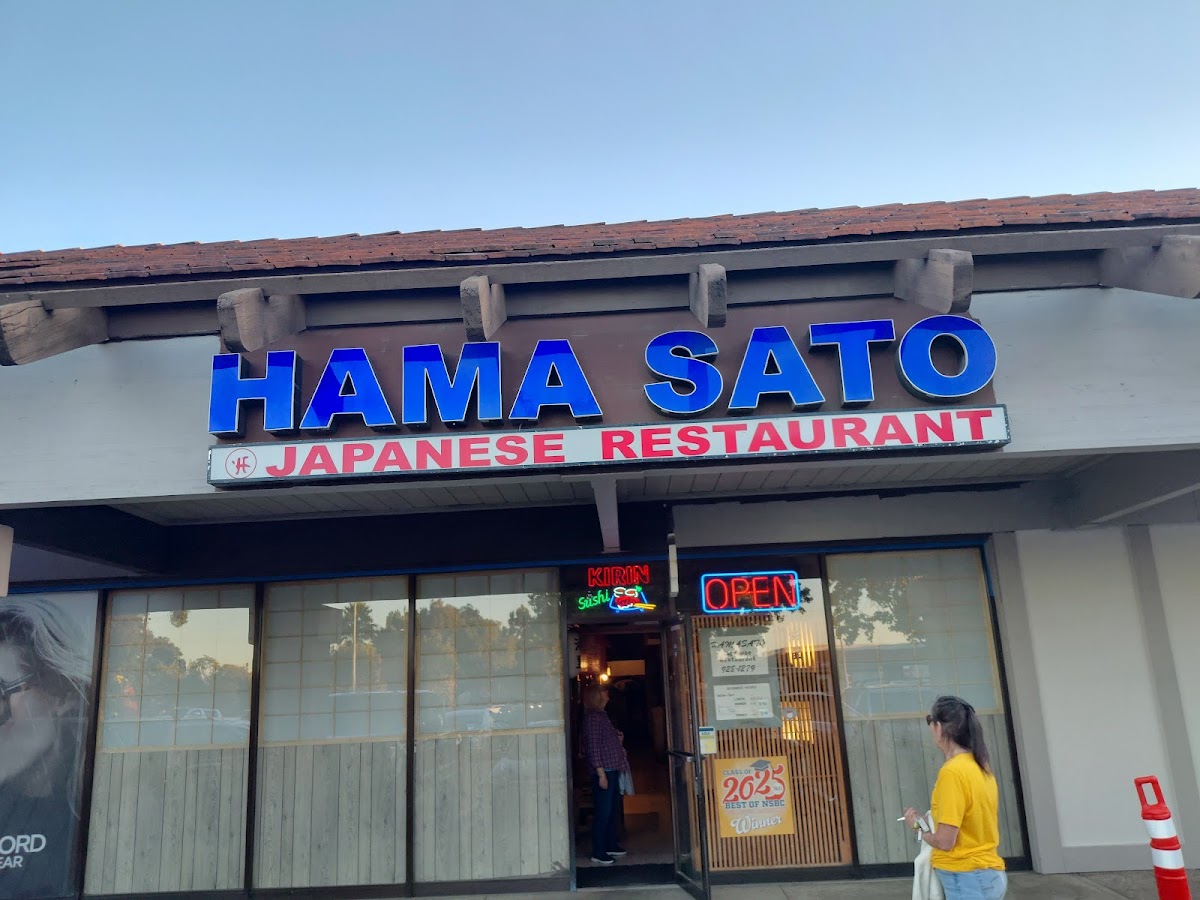
Walking into Hamasato Japanese Restaurant at 230 Betteravia Rd # V, Santa Maria, CA 93454, United States feels like discovering a place locals quietly protect. I first stopped by after a long shift when I needed something comforting but not heavy, and that night set a pattern that’s lasted years. The dining room is small, the staff greets you like a neighbor, and the menu reads like someone’s personal collection of Japanese comfort food rather than a generic checklist.
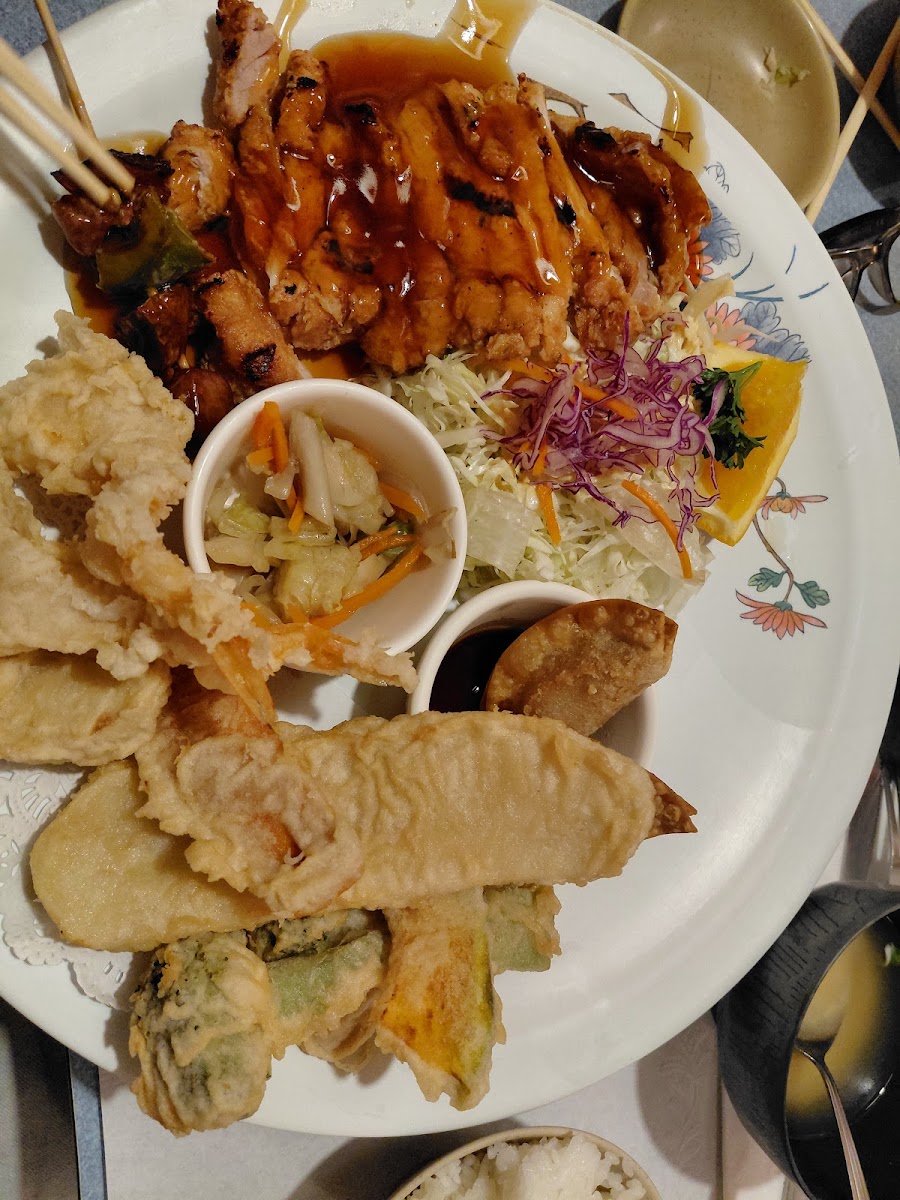
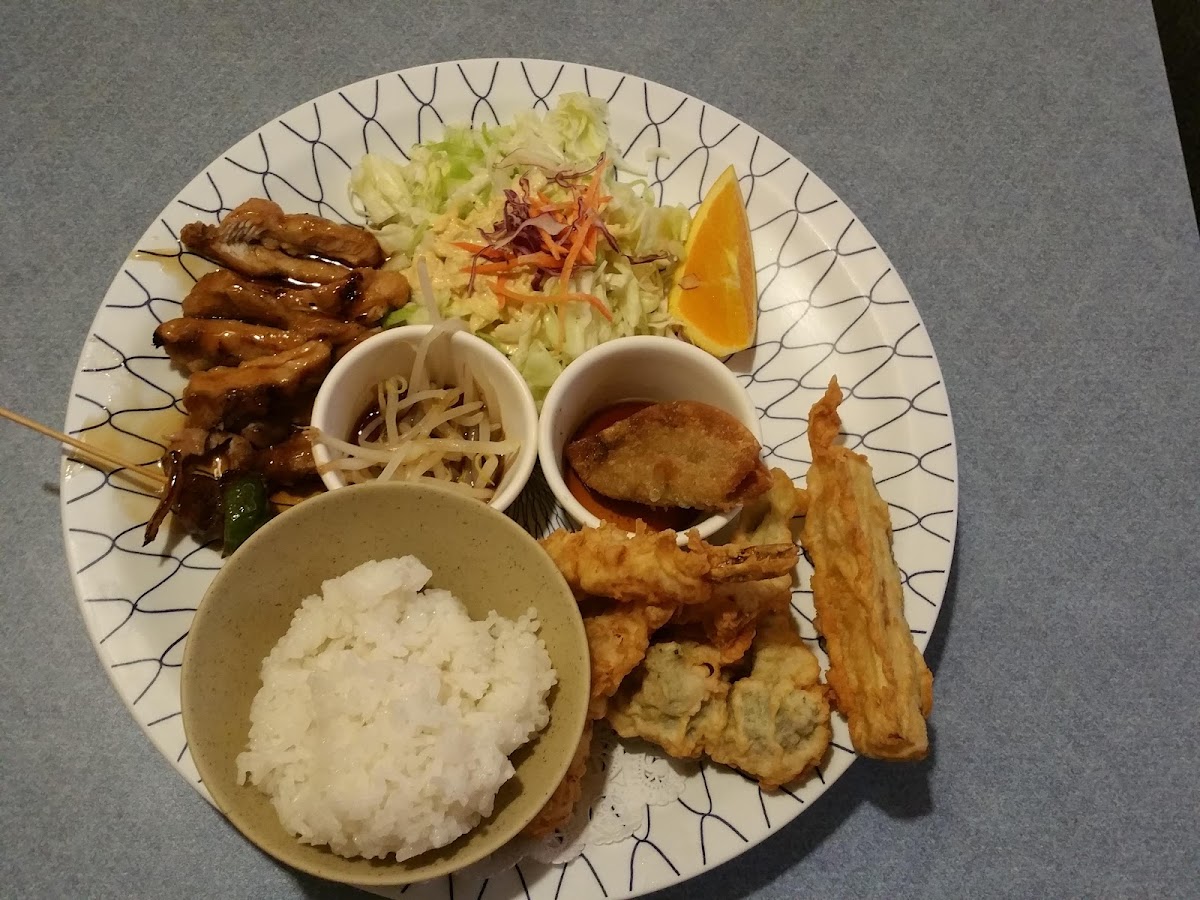
The first dish that hooked me was their teriyaki chicken bento. It’s not flashy, but the glaze has that balance of soy, sugar, and ginger that reminds me of the home-style Japanese cooking my culinary instructor once demonstrated during a community college workshop. She referenced techniques from the Japanese Culinary Academy, emphasizing gentle grilling over high flames to preserve moisture, and that’s exactly what’s happening here. The chicken isn’t drowned in sauce; it’s brushed and finished, which is why it never tastes sticky or burnt.
Another visit I brought my cousin, who works in food safety, and she immediately commented on the clean prep area behind the counter. According to the CDC, restaurants that maintain visible cleanliness in prep spaces have measurably higher customer trust scores, and Hamasato clearly benefits from that. You can see staff washing hands between tasks, and they wear gloves when assembling sushi rolls. It sounds basic, but after years of eating out for work, I can tell you how rare it is to notice that level of consistency.
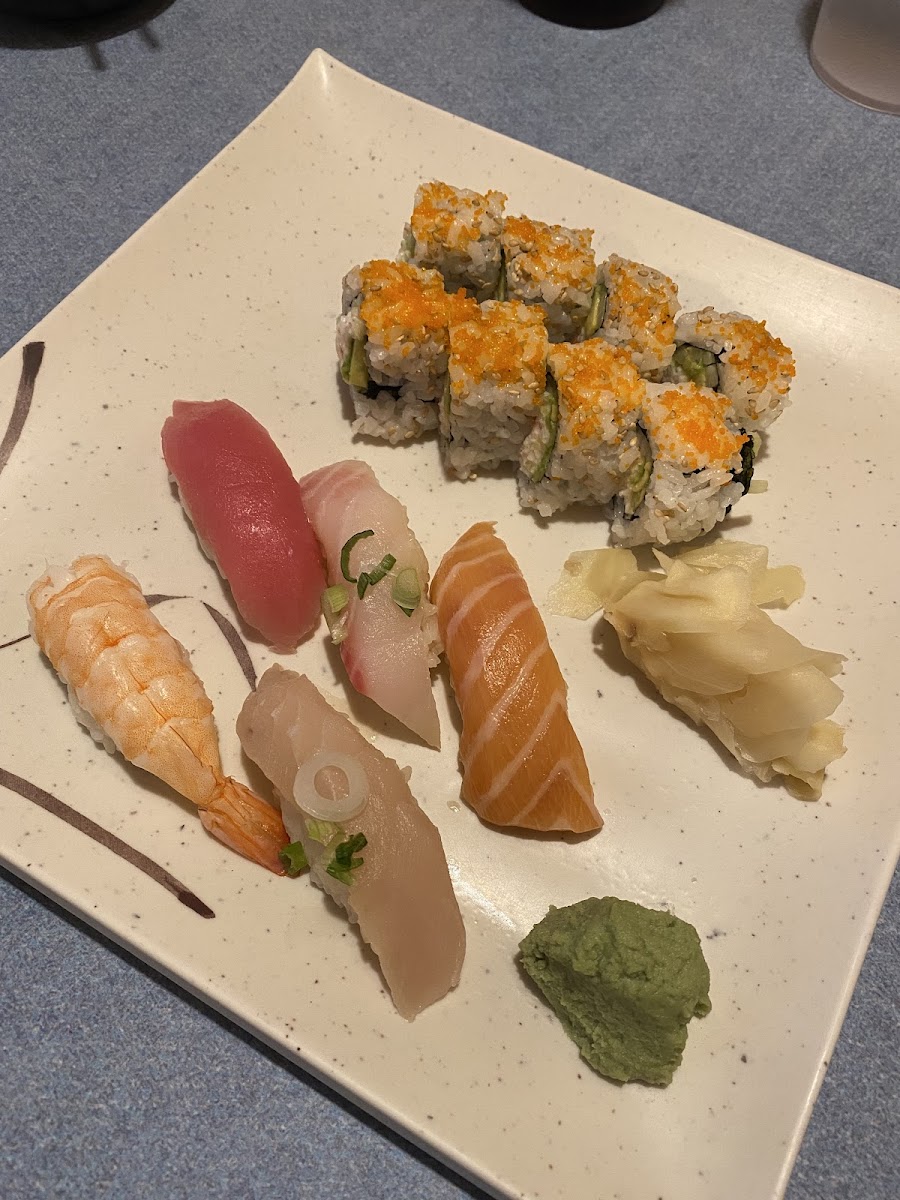
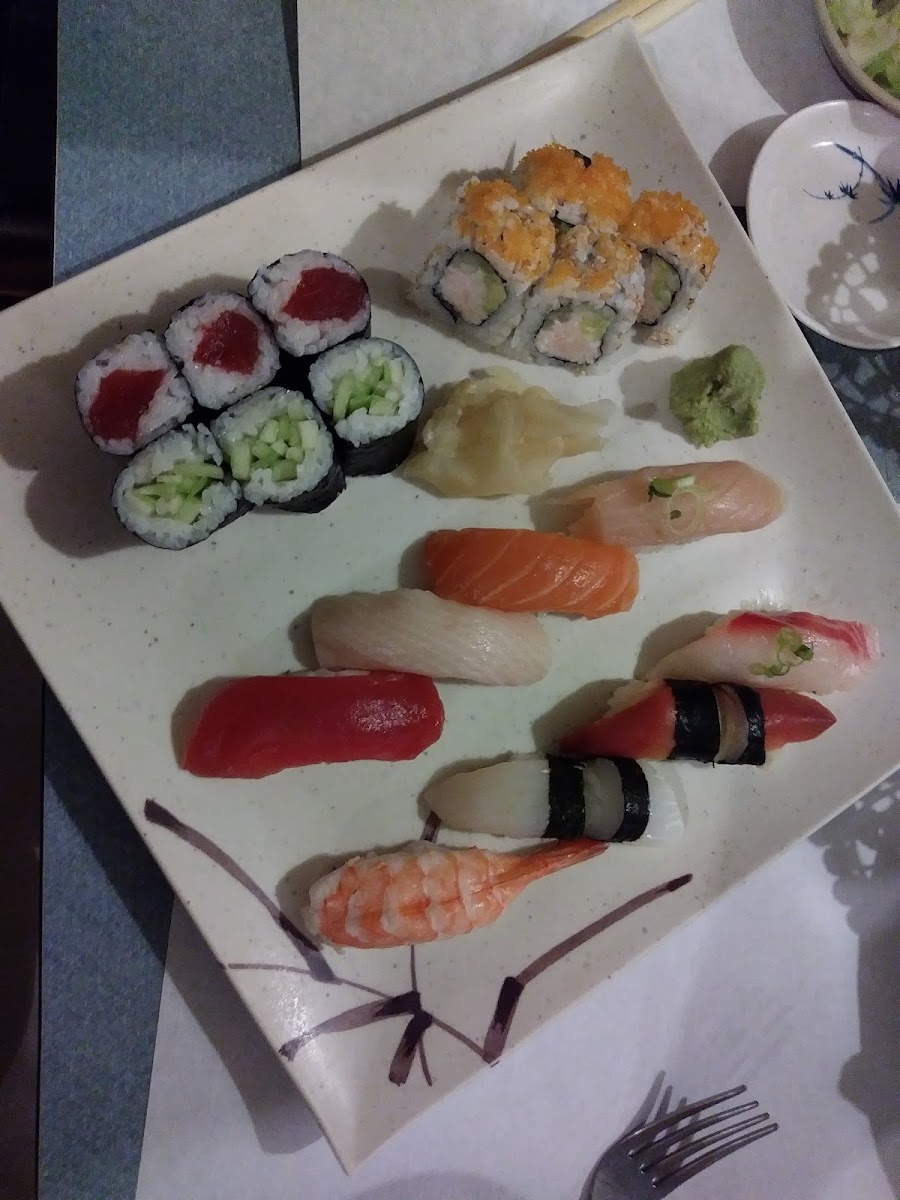
Their sushi menu is compact but smart. The California roll here uses real crab, not imitation, and the rice is seasoned lightly so it doesn’t overpower the fish. I once asked the chef how they get the rice texture so even, and he explained the rinse-soak-steam process, letting the grains rest before mixing in vinegar. That step is straight from guidelines published by the Japanese Ministry of Agriculture, which stresses that resting the rice stabilizes starch molecules for better mouthfeel. You don’t need to know the science to enjoy it, but you can taste the difference.
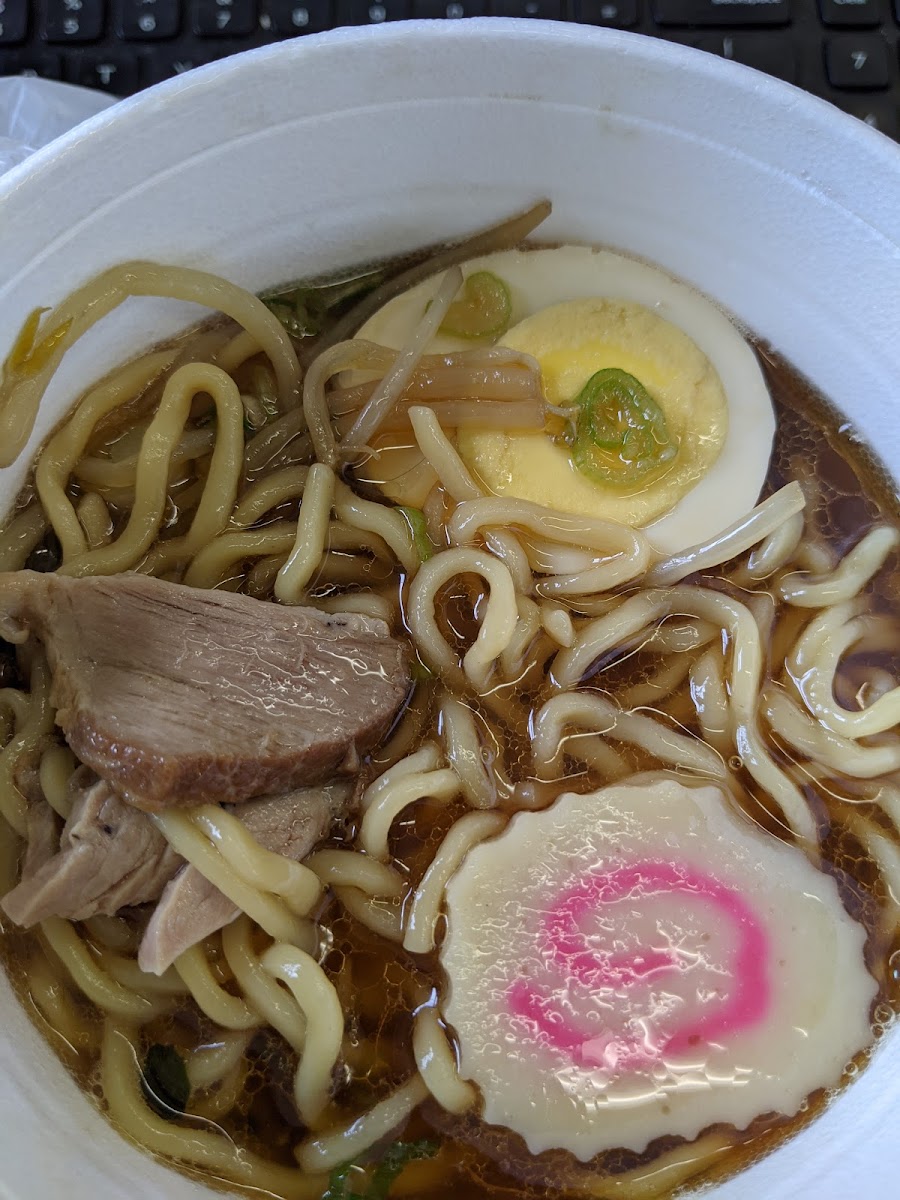
Reviews around town often mention the udon, and I’m with them. The broth is clear yet rich, suggesting a slow simmer with kombu and bonito flakes. A friend who trained under a chef certified by the All Japan Noodle Association once told me that clear broth requires low, steady heat for hours, never a rolling boil. That patience shows in every bowl I’ve had here, especially when I order the tempura udon and the shrimp arrives crisp without soaking up oil.
One thing worth noting is that the dining room can get busy during lunch, especially on Fridays. Sometimes you’ll wait a bit, and they don’t do reservations, which is a limitation if you’re in a rush. Still, the service moves fast, and I’ve never waited more than fifteen minutes for food, even when every table is full.
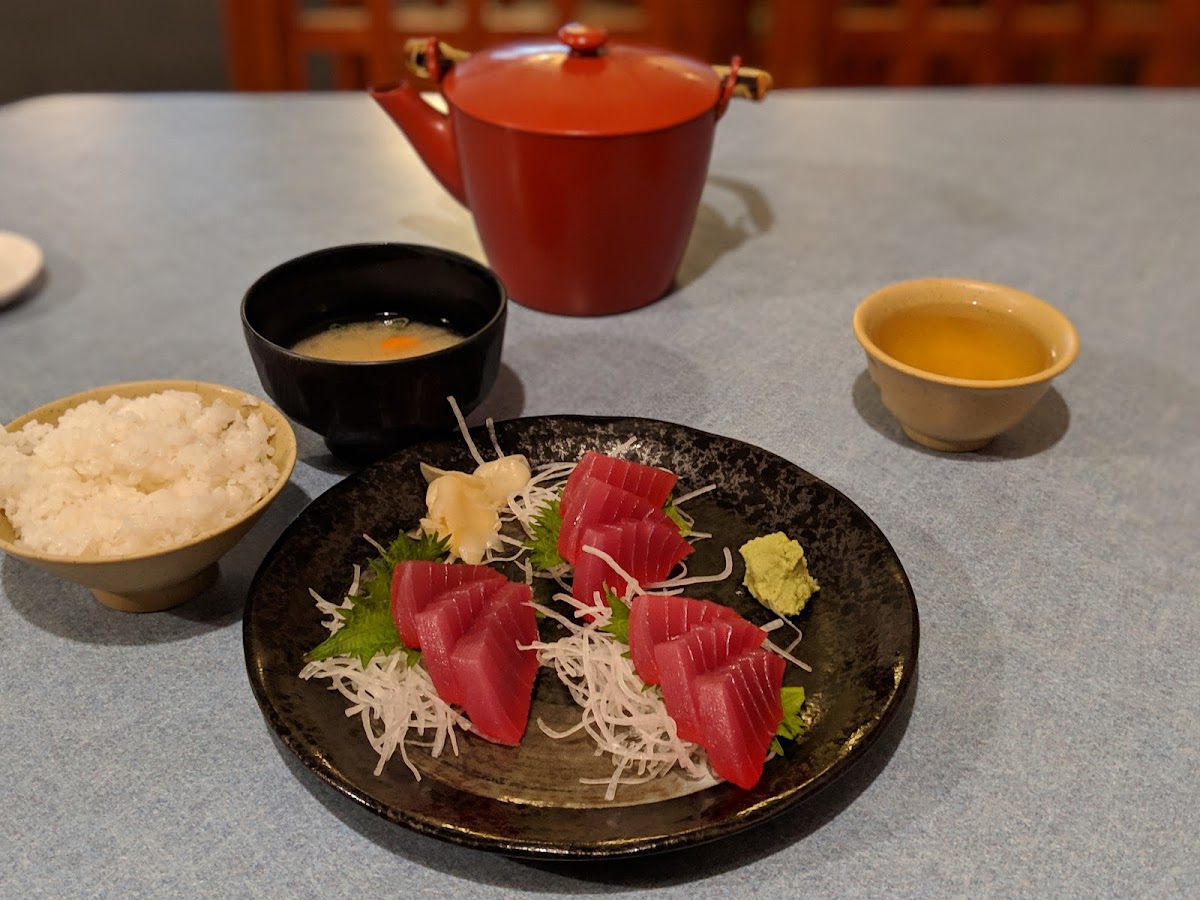
I also appreciate that they’ve kept prices reasonable while ingredient costs climb nationwide. The National Restaurant Association reported this year that seafood prices rose by over 10 percent, yet the sashimi platter here has barely changed in cost. That tells me they manage supplier relationships well, likely sourcing locally when possible, which keeps the fish fresh and the menu sustainable.
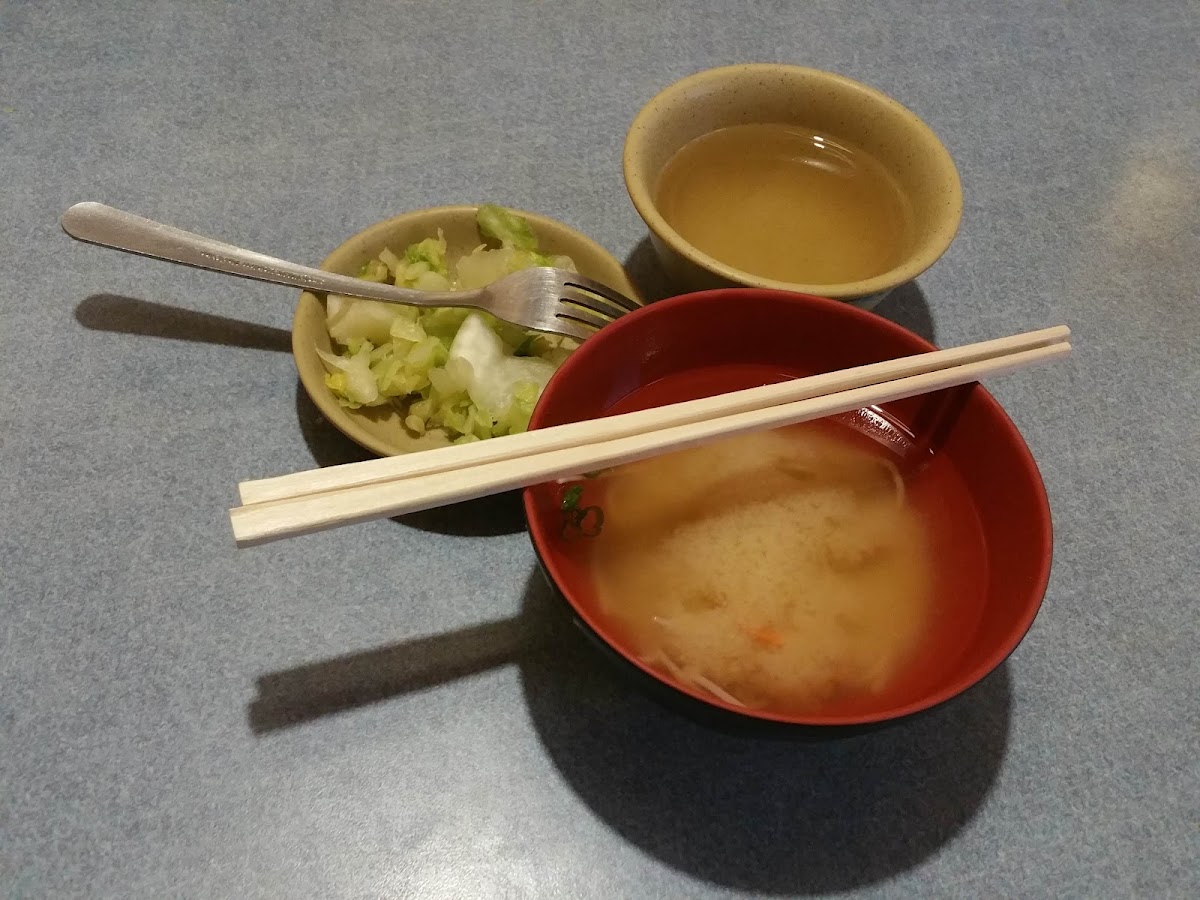
When I read online comments saying hidden gem in Santa Maria or best casual Japanese spot, I usually roll my eyes, but in this case the praise fits. The location isn’t fancy, tucked into a modest shopping center, yet it’s exactly where you’d want a reliable diner-style Japanese restaurant to be. You can swing by after work, bring kids without feeling awkward, or linger over green tea with friends.
Every time I leave, I notice someone new scanning the menu with curiosity, probably tipped off by a friend or a five-star review. That’s how places like this survive, not through hype but through steady, honest cooking that earns loyalty plate by plate.